September 25, 2026
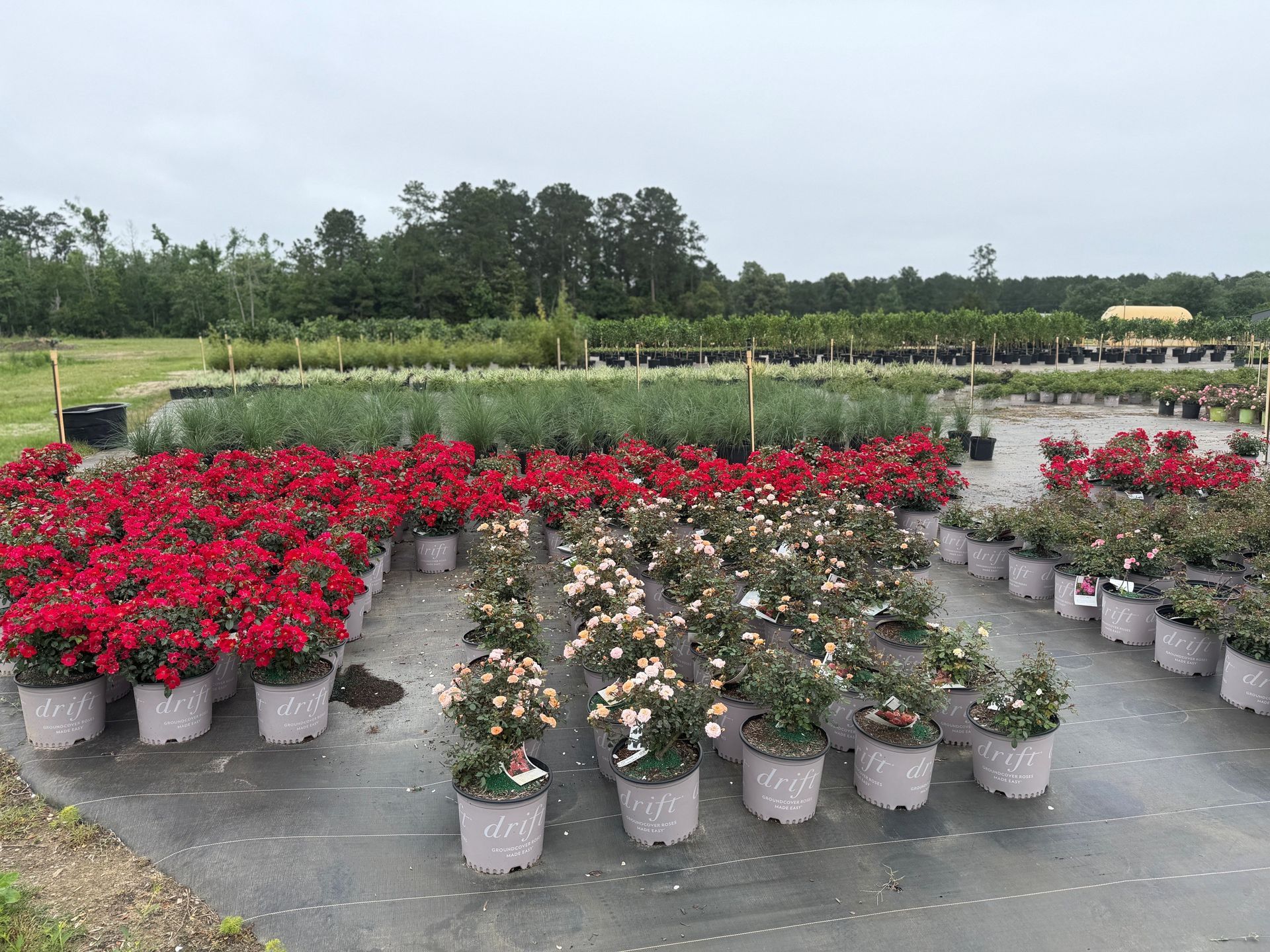
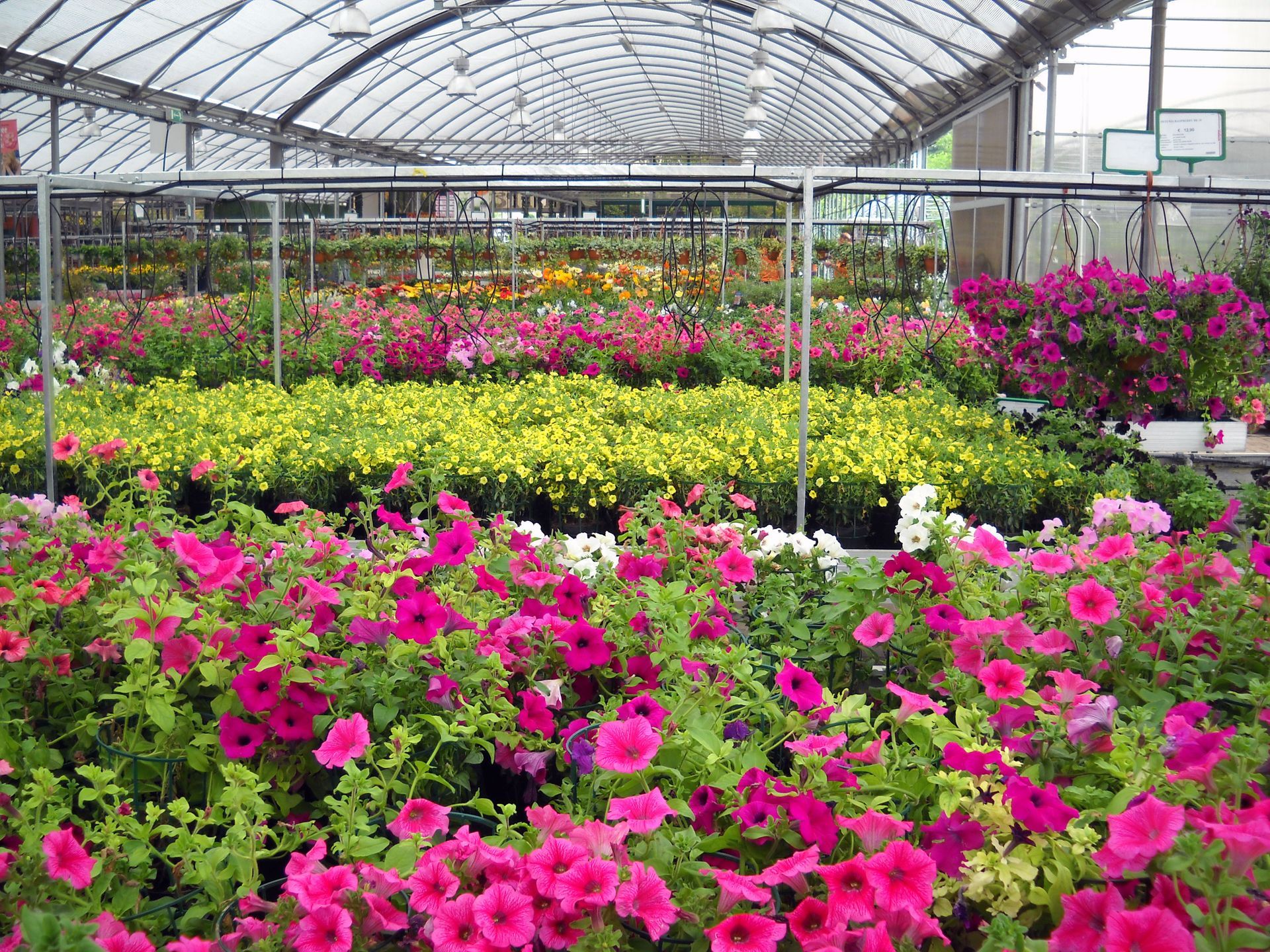
Selecting the right wholesale plants is crucial for enhancing success and profitability. The choices made in inventory can significantly impact both customer satisfaction and operational efficiency. Well-chosen plants can not only attract a wider customer base but also ensure long-term business sustainability.
The burgeoning demand for diverse plant species has seen traditional nurseries expand their selections to include a mix of ornamental and functional plant varieties. As the market evolves, nursery owners must stay informed about the latest trends in wholesale plants to stay relevant. Strategic planning in plant selection reflects directly on business growth, reinforcing the importance of thorough market research and supplier analysis.
Understanding the market dynamics and consumer preferences can aid in the selection of the best wholesale plants suited for various climatic conditions and urban landscaping needs. This comprehensive approach can lead to increased sales and client retention. In essence, a well-curated selection of wholesale plants is the foundation of a thriving nursery business.
What are the Most Popular Wholesale Plants?
1.1 Benefits of Choosing Popular Plants
Popular wholesale plants often reflect current consumer trends, making them a stable choice for nurseries looking to attract customers consistently. By stocking what is in demand, businesses can ensure a quicker turnover of inventory, reducing holding costs and waste. Moreover, popular plants often have the added benefit of being well-documented in terms of care instructions and growth habits, facilitating easier sales consultations. With the increase in interest toward houseplants and gardening during recent years, trendy plants have become a lucrative segment within the nursery industry.
Selecting popular wholesale plants also positions a nursery as a go-to destination for plant enthusiasts looking for the latest varieties. The demand for unique and attractive plants like succulents, fiddle leaf figs, and various ornamental grasses continues to grow, providing businesses with ample opportunity to diversify their offerings. For those just entering the market, investing in popular plants can lead to quicker brand recognition through word-of-mouth and social media referrals. This multiplicity of benefits makes popular plant varieties an essential component of an effective nursery strategy.
The U.S. nursery industry, with more than 23,000 nursery, greenhouse, and floriculture operations in 2024 according to the USDA, demonstrates a robust demand for wholesale plants, emphasizing the need to follow popular trends. As consumer preferences shift rapidly, staying ahead requires nurseries to continually research and adapt to current plant interests. Whether catering to homeowners or professional landscapers, the right mix of popular plants can drive profitability and establish a strong market presence.
1.2 Top Trends in Plant Popularity
Each year brings new trends in plant popularity, influenced by global movements, interior design preferences, and environmental consciousness. Indoor plants like Monstera deliciosa and the resilient snake plant have become household staples due to their low maintenance needs and aesthetic appeal. At the same time, native plants and drought-tolerant species are gaining traction among environmentally conscious consumers seeking sustainable landscaping solutions.
Beyond aesthetics, there is a growing appreciation for plants with air-purifying capabilities, adding a health component to plant selections. As cities aim to mitigate air pollution and green urban spaces, wholesale suppliers offering these plants can target both individual consumers and cities investing in green infrastructure. Urban gardening and the rise of apartment-style living have also made compact and versatile plant varieties popular among young professionals and space-conscious developers.
These trends not only affect the types of plants being produced but also influence the marketing strategies employed by nurseries. Engaging social media platforms to showcase vibrant plant displays and share horticultural tips taps into a larger online community, broadening a nursery's reach. Staying informed about plant popularity keeps nurseries relevant and better prepared to meet the dynamic needs of the market.
How to Select High-Quality Wholesale Plants?
2.1 Essential Characteristics of Quality Plants
When selecting wholesale plants, identifying essential quality characteristics ensures the purchases align with customer expectations for health and longevity. Healthy plants exhibit strong coloration, vibrant foliage, and free-form any signs of disease or pest infestation. Roots should appear robust, white, and extensive, indicating a healthy plant capable of thriving post-transplant.
Consistency in plant size and form is also critical, impacting the presentation either in-store or upon delivery to clients. Established nurseries recognize how these quality determinants align with customer satisfaction and subsequently influence repeat business. By working with suppliers who prioritize plant health and offer diverse selections of well-grown plants, nurseries can strengthen their own reputation for quality.
Furthermore, selecting top-tier plants contributes directly to overall profitability through reduced replacement costs and enhanced customer trust. Healthier plants also ensure a higher survival rate once they reach the end consumer. Thus, a keen focus on quality characteristics forms the foundation of sound wholesale purchases, sustaining business success over time.
2.2 Tips for Inspecting Plant Quality
A meticulous inspection process is vital for ensuring the quality of wholesale plants brought into a nursery. Upon receipt, a visual scan for structural uniformity, vibrant coloration, and strong root systems should be conducted. Inspecting leaves for spots, discoloration, and signs of pest presence helps identify potential quality issues early. Implementing a checklist-based approach to inspection guarantees consistency and thoroughness across shipments.
Engaging the team in quality control processes leverages collective expertise and ensures varied perspectives in assessing plant conditions. Dedicated quality control staff are instrumental in managing inspections, guiding corrective actions, and maintaining comprehensive records for future reference. Continuous education on plant pests and diseases enables nursery staff to stay alert to threats that could compromise entire shipments.
This concerted effort towards maintaining high plant quality ultimately protects the nursery's inventory, augments customer satisfaction, and contributes to a positive business reputation. By establishing rigorous inspection routines, nurseries not only monitor the quality of their wholesale plants but also demonstrate a commitment to excellence within the horticulture industry.
Which Wholesale Plants Offer the Highest Profit Margins?
3.1 Analyzing Cost-Effectiveness and Profitability
When identifying wholesale plants that offer the highest profit margins, cost-effectiveness and strategic pricing are crucial considerations. Plants with low acquisition costs coupled with high consumer demand positions them as appealing options for profit maximization. Moreover, varieties that require minimal maintenance, thus reducing overhead costs, directly contribute to improved profitability metrics.
Conducting a cost-benefit analysis, which includes potential sales volume and pricing structures, assists in forecasting profitability scenarios for varying plant types. Certain niche or rare plants may command premium prices, further enhancing a nursery's bottom line by catering to specialized consumer segments. Deliberately selecting plants based on these financial analyses enables informed inventory planning and stronger fiscal outcomes.
3.2 Case Studies of High Margin Plants
Case studies of high margin plants offer valuable insights into deploying successful pricing and sales strategies. For instance, succulents have become popular for their drought-adaptability, translating to low upkeep costs and high markups. Similarly, the vibrant colors and seasonal appeal of hardy perennials like lavender create niche market opportunities with substantial monetary returns.
Edible plants such as herbs and vegetable starts provide another example of high-margin options, spurred by the growing "grow-your-own" movement among consumers. These plants not only meet the demand for home gardening but also allow nurseries to keep on overlapping demand cycles. Case studies also reveal that plants with extended functional longevity, like ornamental grasses, present less seasonal dependency and sustained financial gains.
The flourishing of a nursery business depends upon a comprehensive approach to selecting the best wholesale plants. From understanding market trends and customer preferences to ensuring quality and profitability, each decision reflects on the overall success of the nursery. Emphasizing reliable supply chains, adhering to quality standards, and incorporating sustainable practices fortifies business operations within an evolving industry.
In 2024, the U.S. boasts over 23,000 nursery, greenhouse, and floriculture operations, underscoring the vast scale and potential for growth within the plant market. Achieving a competitive edge involves strategic inventory management, effective pricing tactics, and the cultivation of robust partnerships with suppliers. These combined efforts yield a thriving business environment suited to meet consumer demands and nurture botanical diversity.
By thoughtfully implementing these strategies, nursery businesses are better equipped to realize long-term growth and prominence within a dynamic industry. Whether striving for financial stability or environmental stewardship, each aspect of wholesale plant operations plays a vital role in shaping the nursery's future. Through this multifaceted approach, nursery businesses can both prosper as enterprises and contribute significantly to the horticultural landscape. Reach out to Southern Growers today to see how we can help you!